
Introduction
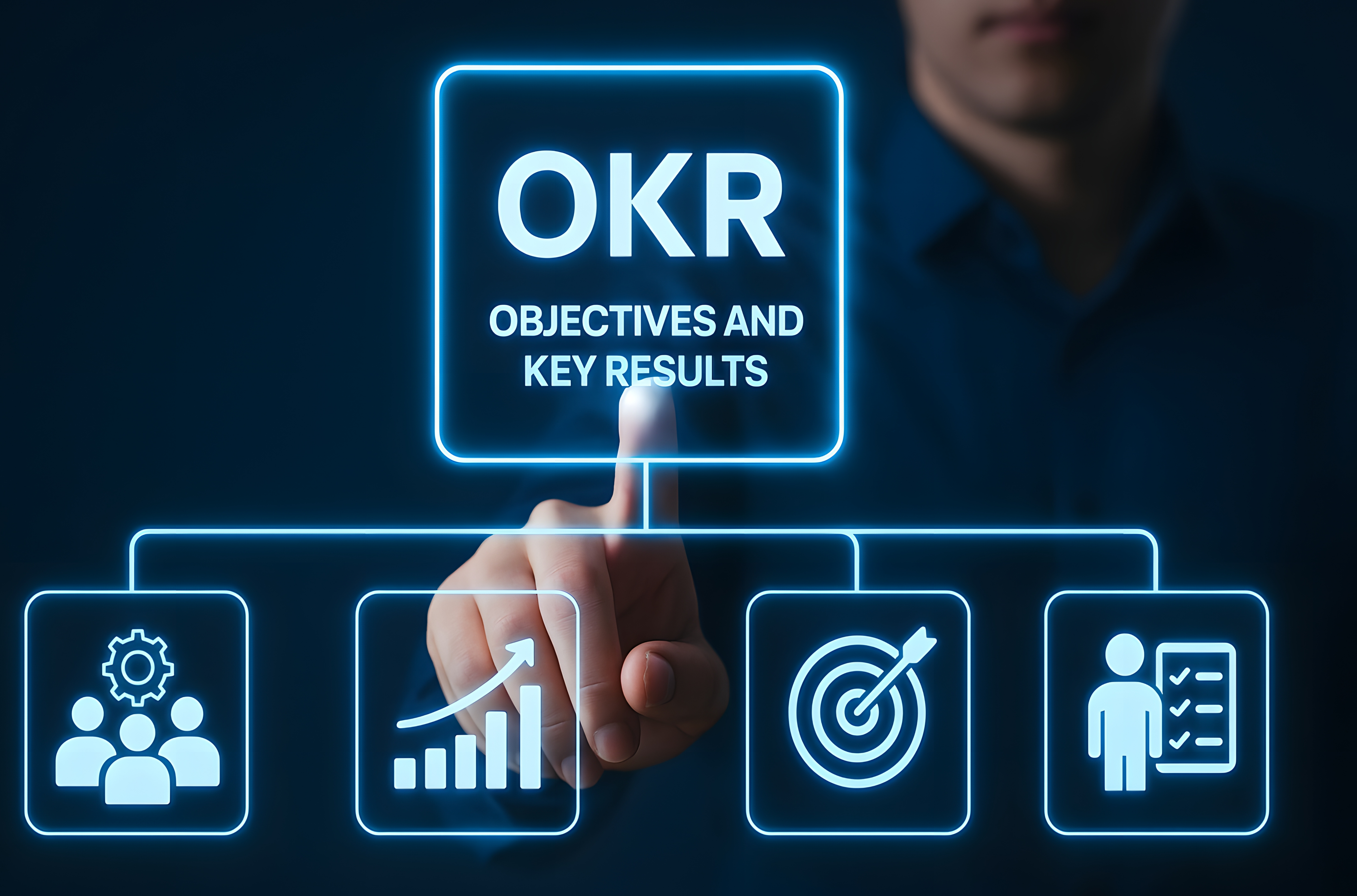
In today’s fast-moving digital enterprises, ambition is rarely the problem. Most organizations define clear Objectives and Key Results (OKRs) that articulate where the business wants to go. The real challenge lies elsewhere: turning those objectives into measurable outcomes, consistently delivered by teams and reflected in operational metrics such as KPIs and SLAs.Bridging this gap requires more than intent – it requires alignment across strategy, execution, and technology. This is where Jile, TCS’ enterprise work management platform, plays a pivotal role.
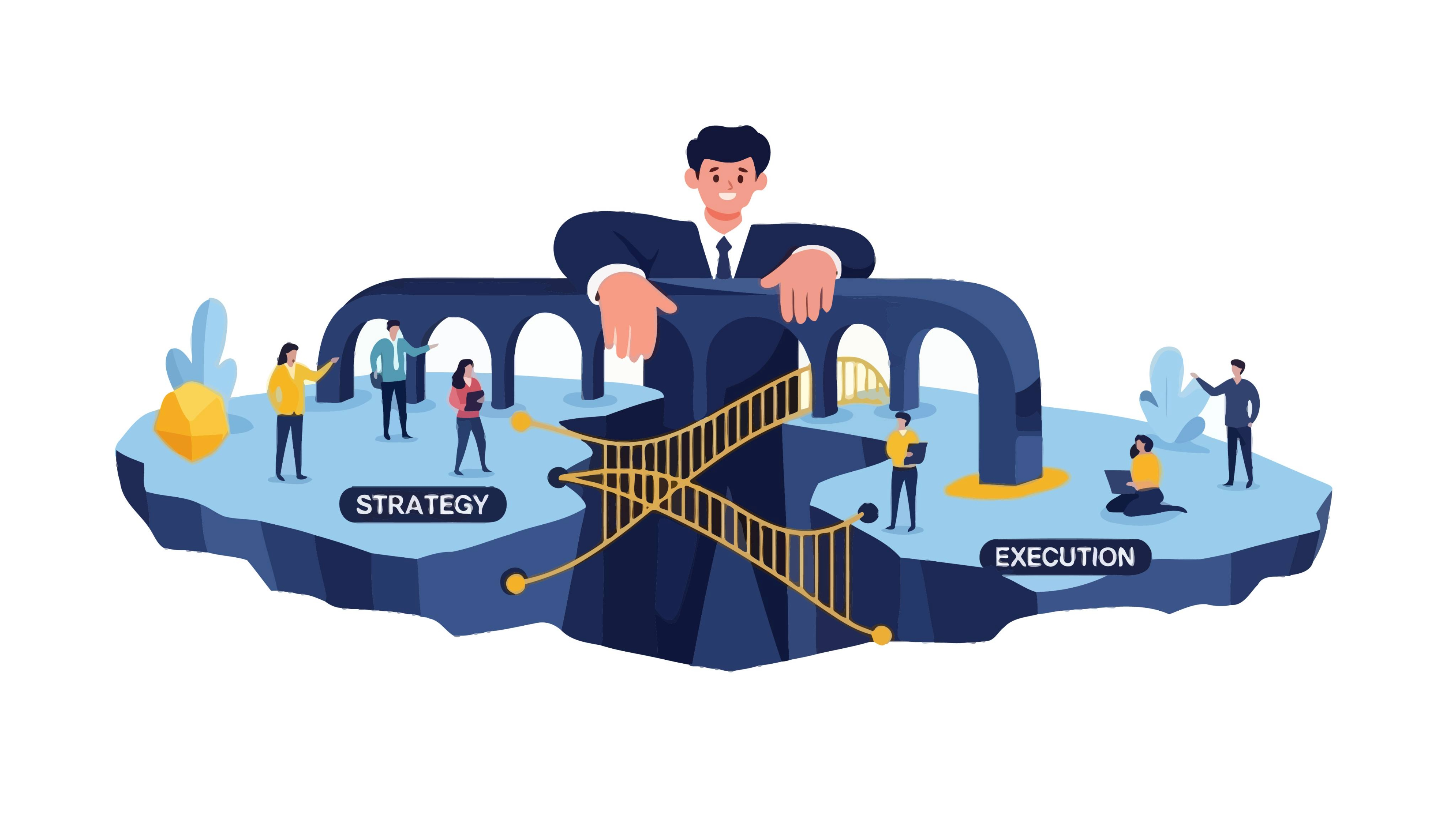
The Alignment Challenge: From Strategy to Execution
Organizations today face several systemic challenges in aligning business objectives with outcomes:
-
Disconnected Planning and Delivery
OKRs are often defined at leadership levels, while teams operate in Agile backlogs focused on features and tasks. Without a clear line of sight between OKRs and day‑to‑day work, teams optimize for output, not outcomes. -
Lagging Metrics and Siloed KPIs
KPIs and SLAs typically reflect operational health – availability, velocity, defect rates – but are reviewed after the fact. They rarely inform whether work is advancing strategic objectives in real time. -
Limited Feedback Loops
Traditional delivery models lack continuous feedback from production and security signals. As a result, teams struggle to course‑correct early and often, undermining agility. -
Tool Sprawl and Fragmentation
Strategy tools, Agile tools, and DevOps tools often exist in silos, creating fragmented data and inconsistent narratives about progress and value.
How Jile Bridges Objectives and Outcomes
Jile is designed to connect strategy, execution, and outcomes on a single platform.
-
OKRs Natively Linked to Work
In Jile, business objectives cascade into team-level goals and are directly linked to epics, features, and stories. This ensures that every sprint increment can be traced back to a strategic objective, making outcomes - not just outputs - visible. -
Outcome-Oriented Metrics
Jile brings KPIs and SLAs into the same context as Agile delivery. Leaders can see how delivery velocity, quality, and predictability influence progress toward OKRs, enabling data-driven prioritization and trade-offs. -
Portfolio-to-Team Alignment
With integrated portfolio management, Jile enables enterprises to continuously align investments with changing objectives – critical in dynamic markets.
DevSecOps Observability: The Missing Link to True Agility
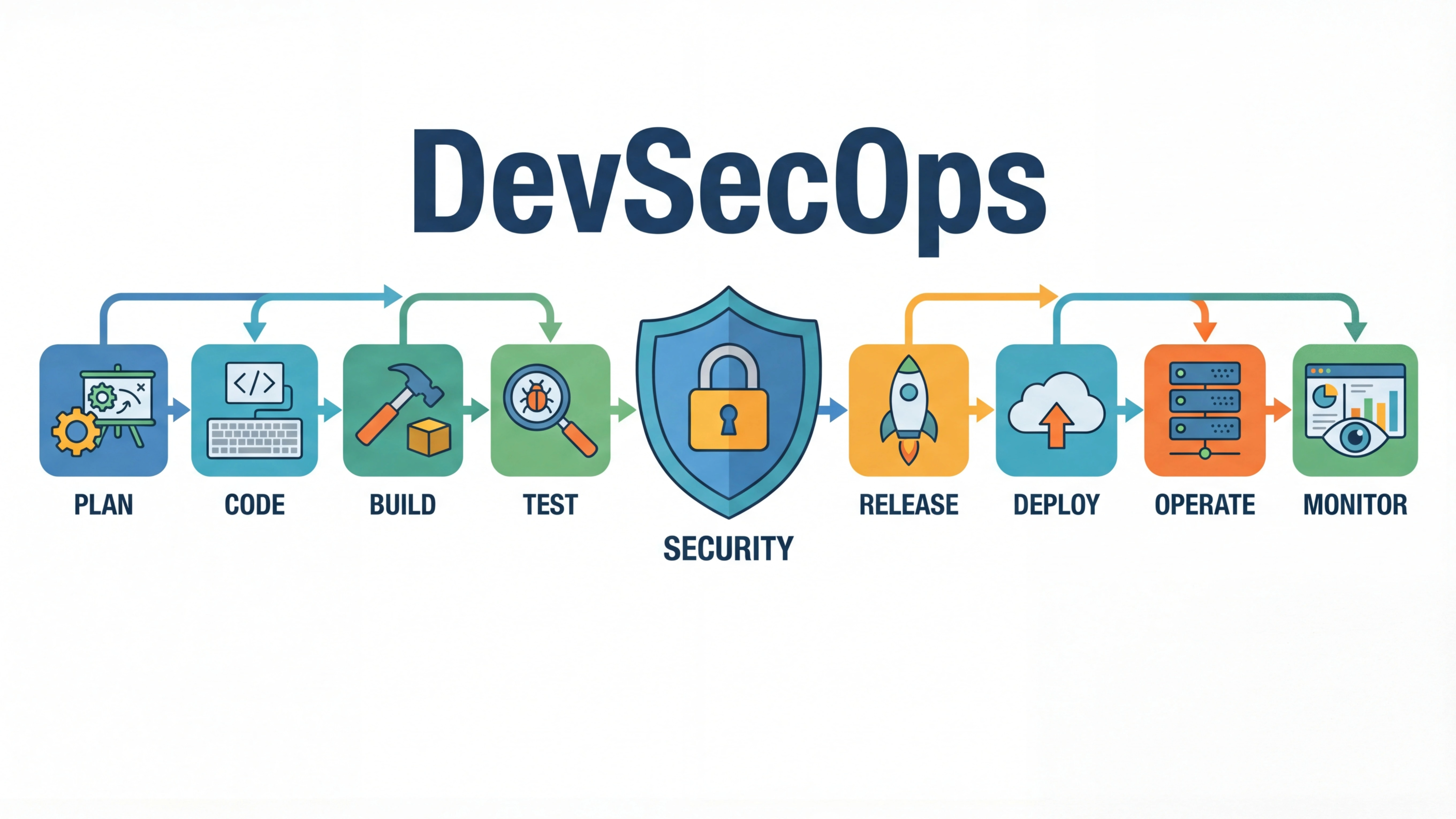
Agility is not just about speed; it’s about learning fast and responding faster. This is where DevSecOps observability becomes transformational.
Jile integrates seamlessly with DevSecOps pipelines to surface real-time signals such as deployment frequency, failure rates, vulnerabilities, and performance trends. This observability:
- Closes the feedback loop between delivery and outcomes
- production reality to OKRs, showing whether released features actually improve customer experience or business performance.
- proactive decision-making, allowing teams to adjust priorities before SLAs are breached or objectives drift.
By making these signals visible to both teams and leaders, Jile helps organizations shift from reactive management to continuous outcome optimization.
From Ambition to Impact
Turning objectives into outcomes requires more than setting goals – it demands alignment, transparency, and continuous feedback. By unifying Agile execution, OKRs, and DevSecOps observability, Jile provides a practical blueprint for enterprises to move from strategy to measurable impact.
Organizations don’t just need to be Agile — they need to stay Agile, with outcomes that truly matter.
Thanks for subscribing to our latest blogs, thought leadership and other product updates!
Read our Privacy Notice to know more. You can opt-out of all communications anytime.